How is Daniel Dinosaur's Dilemmas based on real events?
Set during the COVID-19 pandemic (2019-2022), this book was written as a humorous take on self-isolation and online learning. The series of comical misunderstandings in the story came from the author’s idea that Daniel should be sent home from school for having each of the three main COVID-19 symptoms. Many students experienced a range of feelings as a result of having to stay at home either in a self-isolation or a lockdown period. Likewise, Daniel experiences these feelings throughout the book.
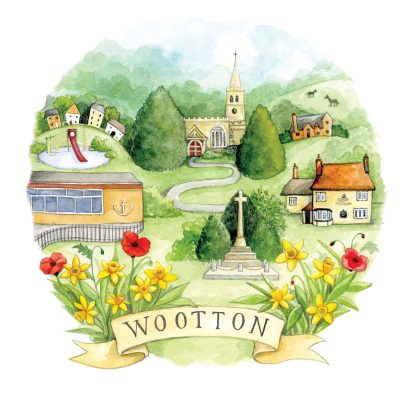
Wootton is a real place. Some of the illustrations in this picture show landmarks in this village, such as Wootton Lower School (Bedford Road site), Wootton Recreational Grounds Playground, and St Mary’s Church.
Likewise, the Forest of Marston Vale is a real place. Although lots of places were shut during lockdowns, people were allowed to exercise at outdoor spaces close to home. During the pandemic, the author’s family discovered parts of the forest, including a close by lake which is featured in one of the book’s beautiful illustrations.
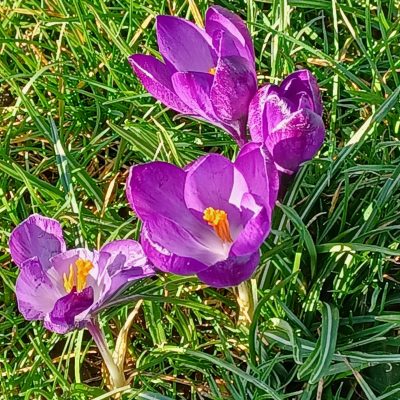
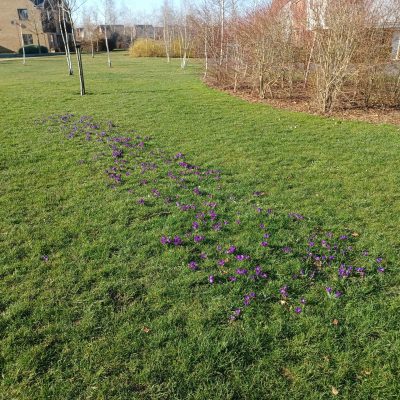
The ‘purple delicate wildflowers with specks of gold in their centres’, which Daniel discovers, were inspired by similar flowers that the author found nearby to the local school during lockdown periods. These flowers grow in line type formations, and they only appear for a few weeks each year.
The character Daisy has similarities to the author because Stacey Gittens:
1) Is a mum.
2) Has a relative named Daniel.
3) Was the same age as Daisy when she wrote the book.
4) Knows people who works with medicines.
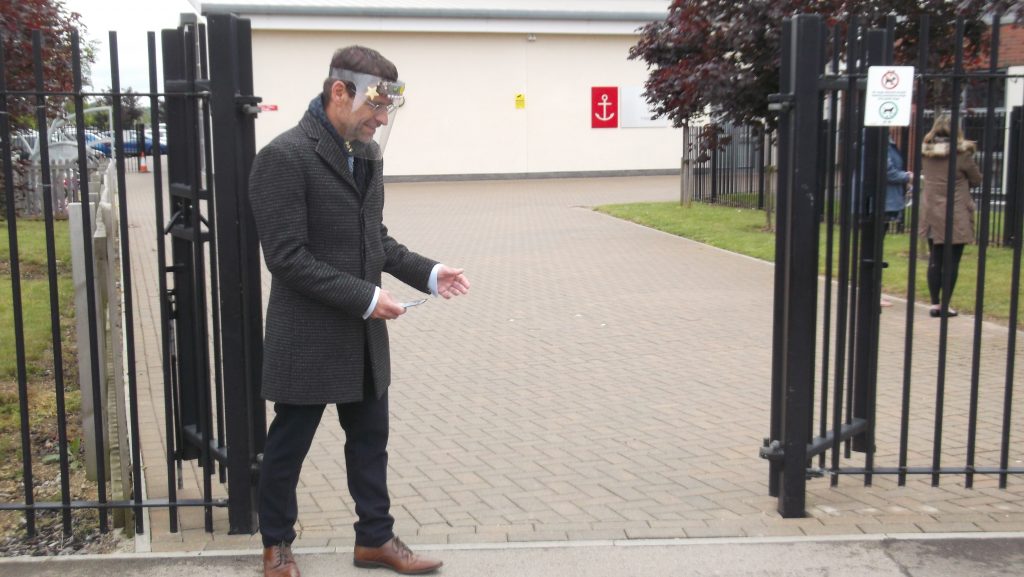
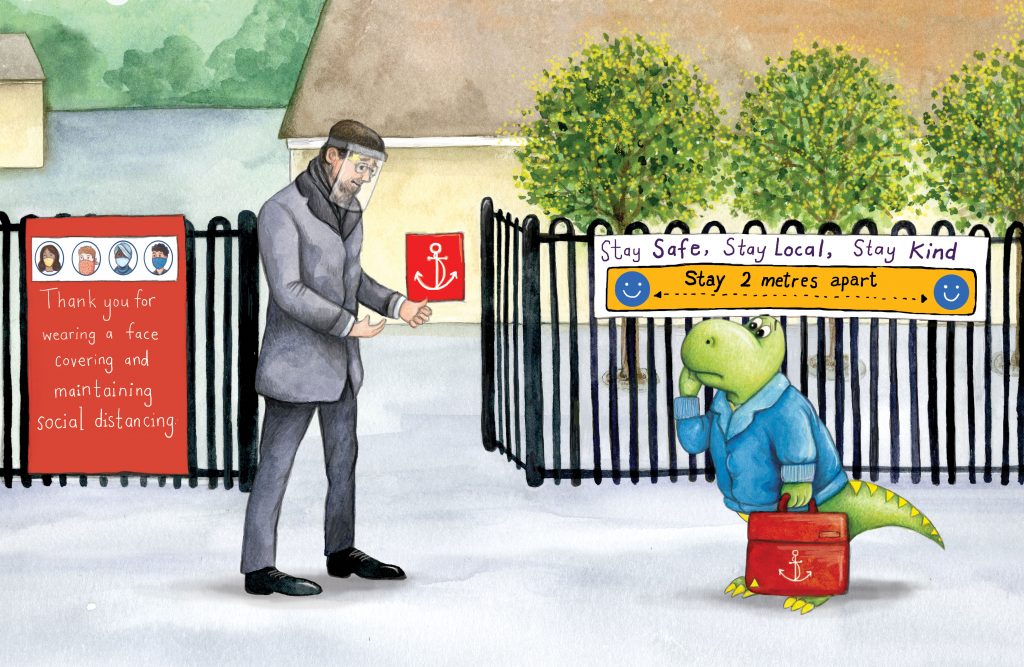
The teachers illustrated in Daniel Dinosaur’s Dilemmas are real teachers at Wootton Lower School. Mr Tavener, in this photo, was the head teacher at the time this story was written.
Some of the children illustrated in this story are also real people from around the world.
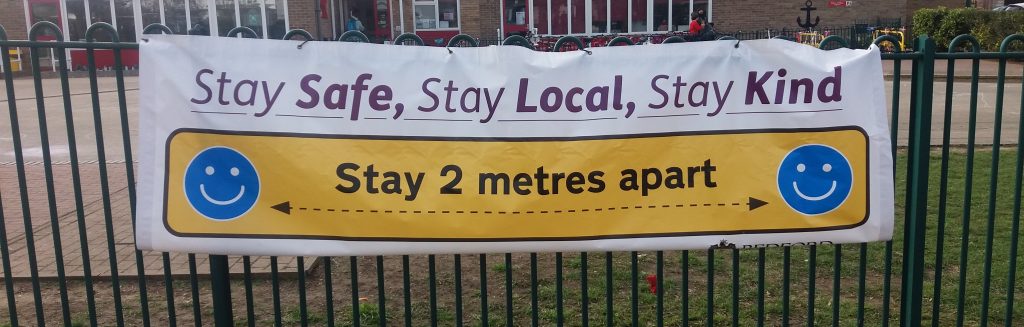
During the pandemic, there were various signs posted on the school gates to guide people around a one-way system, and to remind them to wear a mask and to social distance. They are illustrated in the book as a simple way for readers to learn more about what life was like during the pandemic.